
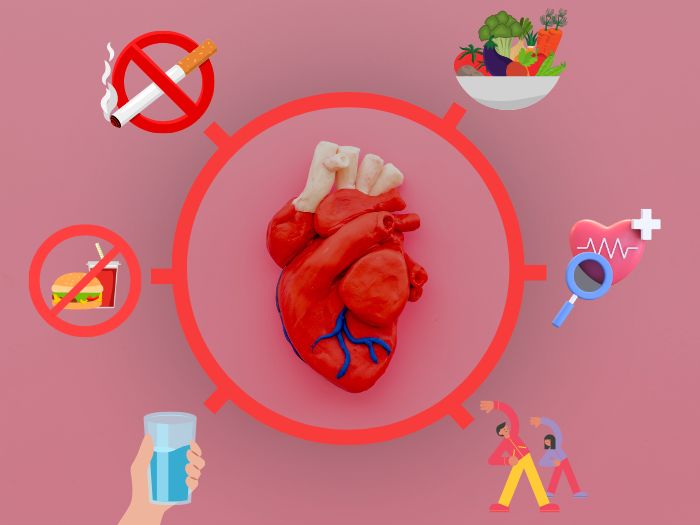
Heart disease remains one of the leading causes of death worldwide, but the good news is that simple lifestyle changes—like tweaking your diet—can make a massive difference. I’ve spent years diving into nutrition research and talking to experts, from cardiologists to dietitians, to figure out what really works for keeping your ticker in top shape. The foods you eat can either clog your arteries or act like a natural defense system, and today, I’m sharing the top foods that promote cardiovascular health naturally. These aren’t fads or quick fixes; they’re backed by science and practical enough to fit into your everyday life.
Let’s get into it—here’s a rundown of the best foods to keep your heart humming, why they work, and how to enjoy them without feeling like you’re forcing down “health food.”
Why Food Matters for Your Heart
Before we jump into the list, let’s talk about why diet is such a big deal for cardiovascular health. Your heart is a muscle that pumps blood 24/7, delivering oxygen and nutrients to every part of your body. When your arteries get clogged with plaque—made up of cholesterol, fat, and other gunk—it’s harder for blood to flow, which can lead to high blood pressure, heart attacks, or strokes. The right foods can lower bad cholesterol (LDL), reduce inflammation, stabilize blood sugar, and keep your blood vessels flexible and strong.
I’ve seen this firsthand with family members who’ve turned their health around by swapping processed junk for nutrient-packed meals. It’s not about perfection; it’s about making smarter choices most of the time. Now, let’s look at the foods that do the heavy lifting for your heart.
1. Fatty Fish: The Omega-3 Powerhouse
If there’s one food that deserves a gold star for heart health, it’s fatty fish like salmon, mackerel, sardines, and tuna. These fish are loaded with omega-3 fatty acids, which are like a natural anti-inflammatory for your body. Studies, like those published in the Journal of the American College of Cardiology, show that omega-3s can lower triglycerides (a type of fat in your blood), reduce blood pressure, and prevent irregular heart rhythms.
I’ll be honest—fish wasn’t my favorite growing up, but I’ve learned to love a simple grilled salmon with lemon and herbs. Aim for two servings a week (about 3-4 ounces each). If you’re not a fish fan, canned sardines are cheap, sustainable, and great tossed into salads or on toast. Not into fish at all? A high-quality fish oil supplement can help, but always check with your doctor first.
Pro Tip: Look for wild-caught fish when possible to avoid contaminants like mercury. Frozen is just as nutritious as fresh and often more budget-friendly.
2. Leafy Greens: Nature’s Blood Pressure Regulators
Spinach, kale, collard greens, and arugula aren’t just trendy—they’re heart-health superstars. These leafy greens are packed with nitrates, which help relax blood vessels and lower blood pressure. They’re also rich in potassium, which balances sodium levels and eases strain on your heart. A 2016 study in Hypertension found that eating more leafy greens was linked to a lower risk of heart disease.
I toss a handful of spinach into my morning smoothie—it blends right in, and you barely taste it. If raw greens aren’t your thing, sauté kale with garlic and olive oil for a side dish that feels indulgent. Aim for at least one cup of cooked greens or two cups of raw greens daily. They’re low in calories, so you can pile them on without worry.
Pro Tip: Baby spinach or arugula is milder if you’re new to greens. Pair them with a little healthy fat, like avocado or olive oil, to boost nutrient absorption.
3. Berries: Tiny Antioxidants with Big Benefits
Blueberries, strawberries, raspberries, and blackberries are like nature’s candy, but they’re also heart-health heroes. These vibrant fruits are bursting with antioxidants called polyphenols, which reduce inflammation and prevent oxidative stress—a key driver of heart disease. A 2013 study in Circulation showed that women who ate three or more servings of berries per week had a 32% lower risk of heart attack.
I keep frozen berries in my freezer for smoothies, yogurt parfaits, or a quick snack. Fresh or frozen, they’re equally nutritious. Aim for a cup a day, and mix up the types to get a variety of nutrients. Bonus: berries are naturally sweet, so they’re a great way to curb sugar cravings without spiking your blood sugar.
Pro Tip: Add a sprinkle of chia seeds to your berries for extra fiber and omega-3s. Just don’t overdo it if you’re watching your calorie intake.
4. Oats: The Cholesterol Sponge
Oats might seem boring, but they’re a heart-health MVP thanks to a type of soluble fiber called beta-glucan. This fiber acts like a sponge, soaking up LDL cholesterol and flushing it out of your body before it can clog your arteries. A 2014 meta-analysis in The American Journal of Clinical Nutrition found that eating oats regularly can lower LDL cholesterol by up to 7%.
I’m a fan of overnight oats—mix rolled oats with almond milk, a dash of cinnamon, and some fruit, then let it sit in the fridge overnight. It’s grab-and-go perfection. Steel-cut oats are even heartier, but they take longer to cook. Aim for a half-cup of cooked oats most days, and skip the sugary instant packets.
Pro Tip: Top your oats with nuts or seeds for a dose of healthy fats, but keep portions small to avoid calorie creep.
5. Nuts: Crunchy Heart Protectors
Almonds, walnuts, pistachios, and pecans are packed with heart-healthy fats, fiber, and plant sterols that lower LDL cholesterol and improve blood vessel function. A 2017 study in The Journal of the American Heart Association found that eating a handful of nuts daily was linked to a 15% lower risk of heart disease.
I keep a small container of mixed nuts in my bag for a quick snack. Walnuts are especially high in omega-3s, while almonds are great for vitamin E, which protects your arteries from damage. Stick to a 1-ounce serving (about a small handful) to keep calories in check, and choose unsalted to avoid extra sodium.
Pro Tip: Toast nuts lightly in a dry pan to bring out their flavor. Avoid nut butters with added sugar or palm oil—pure nut butter is best.
6. Avocados: Creamy, Heart-Healthy Fats
Avocados are more than just a millennial obsession—they’re a heart-health rockstar. They’re rich in monounsaturated fats, which lower LDL cholesterol while boosting HDL (the “good” cholesterol). They’re also loaded with potassium, which helps regulate blood pressure. A 2015 study in The Journal of the American Heart Association showed that eating an avocado daily improved cholesterol profiles.
I love smashing avocado on whole-grain toast with a sprinkle of chili flakes or adding it to salads for creaminess. Half an avocado a day is plenty, as they’re calorie-dense. If you’re watching your weight, swap mayo or creamy dressings for avocado in recipes.
Pro Tip: Ripen avocados faster by storing them in a paper bag with an apple or banana. Once ripe, pop them in the fridge to extend shelf life.
7. Legumes: Fiber-Filled Heart Guardians
Beans, lentils, chickpeas, and peas are affordable, versatile, and phenomenal for your heart. They’re high in soluble fiber, which lowers cholesterol, and packed with plant-based protein, which can replace red meat—a known heart disease risk factor. A 2014 study in CMAJ found that eating one serving of legumes daily reduced LDL cholesterol by 5%.
I make a big batch of lentil soup or chickpea curry on Sundays for easy lunches. Canned beans are convenient—just rinse them to cut sodium. Aim for at least three half-cup servings a week. They’re filling, so they’re great for keeping you satisfied without overloading on calories.
Pro Tip: Try roasting chickpeas with spices for a crunchy snack that’s way better than chips.
8. Dark Chocolate: A Sweet Heart Treat
Yes, you read that right—dark chocolate can be heart-healthy in moderation. It’s rich in flavonoids, antioxidants that improve blood flow, lower blood pressure, and reduce inflammation. A 2017 study in Heart found that eating dark chocolate a few times a week was linked to a lower risk of irregular heartbeats.
I savor a square or two of 70%+ dark chocolate after dinner—it’s rich, so a little goes a long way. Stick to 1 ounce a day, and avoid milk chocolate or bars loaded with sugar and fillers. Pair it with a few almonds for a satisfying treat that won’t derail your heart goals.
Pro Tip: Check the label for cocoa content—higher is better. Store chocolate in a cool, dry place to keep it fresh.
9. Olive Oil: The Mediterranean Secret
Olive oil is a cornerstone of the Mediterranean diet, which is consistently linked to lower rates of heart disease. It’s high in monounsaturated fats and antioxidants that reduce inflammation and protect blood vessels. A 2013 study in The New England Journal of Medicine found that a Mediterranean diet with extra olive oil cut heart disease risk by 30%.
I drizzle extra-virgin olive oil on salads, roasted veggies, or even popcorn. Use it to replace butter or processed oils like canola. Two tablespoons a day is a good target, but measure it out—calories add up fast. Opt for extra-virgin for maximum antioxidants.
Pro Tip: Store olive oil in a dark bottle away from heat to preserve its nutrients. Don’t fall for “light” olive oil—it’s just refined and less beneficial.
10. Tomatoes: Lycopene for Strong Arteries
Tomatoes are a heart-health gem thanks to lycopene, an antioxidant that reduces inflammation and prevents plaque buildup in arteries. A 2014 study in The British Journal of Nutrition found that lycopene supplements lowered LDL cholesterol, but whole tomatoes are even better because they come with fiber and other nutrients.
I love fresh tomatoes in salads or roasted with garlic for a sauce. Canned tomatoes are just as good—look for low-sodium versions. Cooking tomatoes actually boosts lycopene absorption, so pasta sauce or soup is a win. Aim for a cup of fresh or half a cup of cooked tomatoes most days.
Pro Tip: Pair tomatoes with a little olive oil to enhance lycopene absorption. Avoid sugary store-bought sauces—make your own for better control.
Putting It All Together
Eating for heart health doesn’t mean bland meals or giving up flavor. It’s about crowding your plate with nutrient-dense foods that taste great and do your body good. Start small—swap one processed snack for a handful of nuts or add a side of leafy greens to dinner. Over time, these habits add up to a stronger, healthier heart.
I’ve seen the difference this approach makes, not just in research but in real life. My uncle, who had high cholesterol in his 50s, started adding oats, berries, and fatty fish to his diet and saw his numbers improve without meds. It’s not magic—it’s consistency.
A Few Extra Tips
Limit processed foods: Cut back on sugary drinks, packaged snacks, and fast food, which are high in sodium, trans fats, and additives that stress your heart.
Watch sodium: Aim for less than 2,500mg daily. Herbs and spices can add flavor without salt.
Stay active: Pair your diet with 30 minutes of moderate exercise most days—walking counts!
Talk to a pro: If you have heart issues or risk factors, consult a dietitian or cardiologist for a plan tailored to you.
Final Thoughts
Your heart works hard for you every single day, so it’s worth giving it some love through the foods you eat. Fatty fish, leafy greens, berries, oats, nuts, and the rest of this list are your allies in building a heart-healthy life without feeling deprived. Try new recipes, experiment with flavors, and enjoy the process—it’s not just about adding years to your life, but life to your years.
Post a Comment